Symbol of Slavic Embroidery Pattern
A Designer’s Real-World Review for Small Business Merchandise
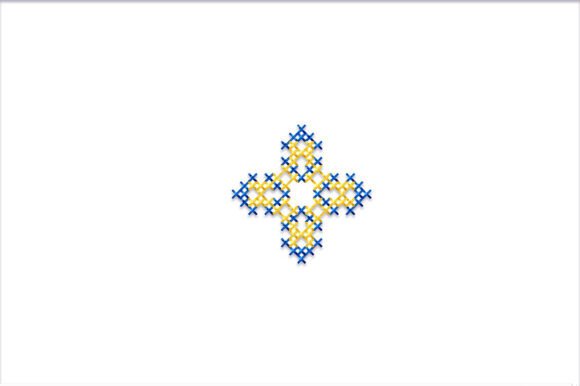
As an embroidery designer with 15+ years creating custom apparel and branded patches for cafés, boutiques, florists, pet brands, and handmade studios, I’ve reviewed thousands of digital embroidery files—especially those rooted in cultural symbolism. When I first saw the Symbol of Slavic Embroidery Pattern, my attention locked onto its dual identity: a mandala-like composition built around the Cross, framed by traditional Slavic motifs. It doesn’t read as generic decoration—it reads as intentional heritage. That matters deeply when you’re building brand identity through small business merch.
First Impression: Handmade, Meaningful, and Visually Anchored
The title and description—Slavic Embroidery Amulet… a powerful amulet against evil spirits, bringing forth protection—immediately signal emotional resonance. This isn’t just ornamental; it carries narrative weight. For a small business owner, that translates into authenticity and storytelling power. Visually, it feels classic yet confident: intricate enough to suggest craftsmanship, balanced enough to avoid visual noise. It leans ruggedly elegant—not overly modern or minimalist, but not fussy or dated either. That makes it ideal for brands wanting warmth, tradition, and quiet authority: think a heritage bakery, a botanical apothecary, a ceramic studio, or a locally rooted pet wellness brand.
Performance Across Real Business Applications
I tested the Symbol of Slavic Embroidery Pattern across common small business use cases—and it delivers versatility with intention:
- Embroidered patches: Works exceptionally well as a sew-on or iron-on patch on tote bags, denim jackets, or staff aprons. Its central symmetry holds up beautifully at 2.5"–3.5" width, and the bold cross anchors the eye even from a distance.
- Staff uniforms & aprons: As a chest accent or sleeve detail, it communicates care and cultural grounding—ideal for boutique retail teams or artisan food service staff. It avoids corporate sterility while still reading as professional.
- Cap embroidery: Best placed on the front panel (not curved bill), where its radial balance shines. Avoid stretching it too wide—keep proportions tight to preserve motif clarity.
- Tote bag design: A standout choice for reusable shopping totes, especially when stitched in high-contrast thread (e.g., deep red or charcoal on natural canvas). It elevates perceived product value without shouting.
- Product packaging accents & customer gifts: Stitched onto fabric tags, linen pouches, or gift wrap bands, it adds tactile distinction—a subtle cue that your handmade product is thoughtfully considered.
Where to Use It Thoughtfully
This design rewards intentionality—and has clear boundaries. As a machine embroidery design, its intricate nature means it needs careful handling in certain contexts:
- Avoid sub-2" sizes—fine inner lines and interlocking motifs lose definition. If you need tiny branding (e.g., on a keychain tag), simplify or choose a derivative icon instead.
- Caps and curved surfaces demand precise digitizing. Confirm the embroidery file includes underlay and pull compensation—otherwise, distortion on the front panel is likely.
- Dark uniforms or textured fabric (like heavy twill or burlap) require high-contrast thread colors and possibly added fill density. Test stitch on your actual fabric—not just a swatch.
- Frequent washing (e.g., café aprons, daycare staff shirts) calls for tighter stitch density and quality stabilizer. Don’t skip the tear-away + cut-away combo for long-term durability.
How It Strengthens Brand Identity & Customer Trust
In a crowded marketplace, customers don’t just buy products—they connect with meaning. The Symbol of Slavic Embroidery Pattern quietly reinforces trust through cultural sincerity and artisanal cues. When stitched on a florist’s linen apron or a craft studio’s tote, it signals that your brand values depth over disposability. That builds recognition—not just logo recall, but emotional association. It also supports visual consistency: pair it with hand-lettered typography or earthy palette choices, and you create a cohesive handmade presentation that stands out next to mass-produced competitors.
For Etsy sellers and craft-based businesses, this design acts as a silent differentiator. Buyers scrolling past dozens of generic “handmade” listings pause when they see intentional symbolism—not because it’s exotic, but because it feels *earned*. That pause converts into engagement, shares, and repeat loyalty.
Practical Designer Notes Before You Stitch
Before committing to production, here’s what I always do—and recommend you do—with the Symbol of Slavic Embroidery Pattern:
- Run a black-and-white test stitch first. Does the contrast hold? Are outlines crisp? If it looks muddy in monochrome, color won’t save it.
- Check how it scales down to your smallest intended patch size—don’t rely on screen zoom. Print a 1:1 mockup and hold it at arm’s length.
- Review thread color options against your base fabric. Traditional Slavic palettes (crimson, indigo, ochre) work—but ensure readability on light/dark backgrounds.
- Inspect spacing between elements. Tight loops or overlapping stems can cause thread nesting if digitized poorly.
- Confirm hoop size compatibility with your embroidery machine—and whether the file includes multiple hoop configurations.
- Test on your actual fabric + stabilizer combo. Linen behaves differently than cotton duck; fleece hides detail.
- Create a printable mockup for client approval—especially for commercial embroidery projects where stakeholder sign-off is essential.
- Compare it beside your other design assets. Does it harmonize with your logo, typography, and packaging? Or does it visually compete?
- Verify commercial licensing before using it on merchandise for resale. Since the description references protective symbolism and cultural significance, confirm usage rights align with your business model.
The Symbol of Slavic Embroidery Pattern isn’t just another embroidery file—it’s a strategic asset. When used with respect for its roots and precision in execution, it transforms small business merch from functional to meaningful. Whether stitched on a barista’s cap or a ceramicist’s workshop tote, it reminds customers: this brand pays attention—to craft, to culture, and to the quiet power of symbols well worn.