Lavender Flower Embroidery Design
A Soft, Elegant Touch for Meaningful Handmade Gifts
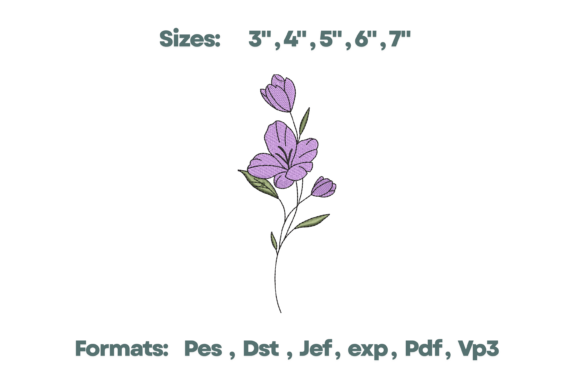
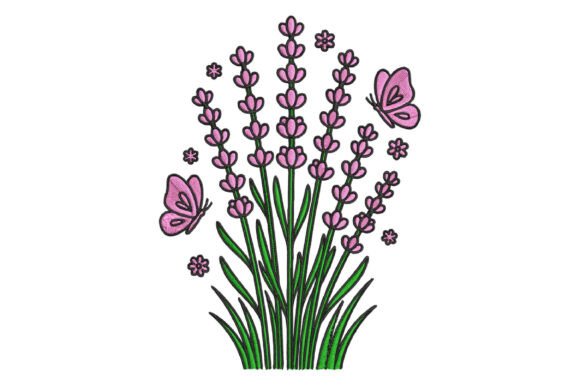
As an embroidery designer who’s stitched thousands of personalized pieces—from baby blankets to wedding towels—I opened the Lavender Flower Embroidery Design with quiet anticipation. What greeted me wasn’t just another floral motif—it was a whisper of calm, a visual sigh. The delicate lavender stems curl gently, each bud rendered with subtle gradation, and the accompanying butterflies add movement without clutter. It feels romantic yet grounded, elegant but never stiff—exactly the kind of soft sophistication that elevates handmade products from “nice” to “cherished.” This isn’t a bold statement piece; it’s a tender accent, perfect for projects where emotional resonance matters more than visual volume.
Where Lavender Flower Embroidery Design Truly Shines
This Creative Fabrica embroidery design excels in intimate, meaningful contexts. For baby embroidery, it nestles beautifully on organic cotton swaddles or muslin bibs—its gentle scale avoids overwhelming tiny garments while still reading clearly in photos. As a wedding gift, it transforms plain linen napkins or monogrammed towels into heirloom-worthy tokens. I’ve used similar lavender motifs on pillow covers for newlyweds, and customers consistently mention how “calming” and “thoughtful” the detail feels.
For nursery decor, the Lavender Flower Embroidery Design adds botanical warmth to wall hangings or quilted mobiles—no loud colors needed. On embroidered towels? It holds up gracefully, especially when paired with high-quality terry or waffle weave. The stems flow naturally over texture, and the butterflies lift the composition just enough to prevent flatness. Blanket embroidery benefits too: stitch it near a corner or along a border, and it becomes a quiet focal point—not competing with cozy fabric, but complementing it.
Etsy sellers and small shop owners will appreciate its versatility across product types: aprons (especially for herbalists or bakers), tote bags (ideal for farmers’ market vendors or boutique gift shops), personalized home decor like framed hoop art or linen drawer liners, and even custom gift boxes lined with embroidered tissue accents. Its Single Flowers category placement is spot-on—it stands alone with grace, yet layers effortlessly with monograms or simple text for commercial embroidery projects.
Practical Considerations for Real-World Stitching
Before sending this machine embroidery design to your hoop, test it. Always. Lavender’s slender stems and butterfly wings contain fine details that can blur on stretchy baby clothes or dense terry cloth. I recommend stitching a sample on fabric matching your final project—especially if working with dark fabric, where thread color contrast becomes critical. Light lavender thread on navy linen? Gorgeous—if your machine handles fine satin stitches cleanly. But test first. Check how the butterflies hold shape after washing; delicate wing outlines need balanced stitch density to survive laundering without fraying.
Stabilizer choice matters. For lightweight fabrics like voile or rayon, use a medium tear-away with light cut-away backing. For thick blankets or textured towels, switch to a firm cut-away stabilizer—this prevents puckering and keeps stem lines crisp. And yes—confirm the hoop size. Even a compact lavender sprig can require more real estate than expected once digitized with smooth underlay and clean jump stitches.
Also note: the description mentions “charming butterflies,” so anticipate small, graceful shapes. If your client expects ultra-fine detail on 30-thread-count handkerchiefs, verify the embroidery file’s smallest elements are legible at that scale. When in doubt, zoom into the design preview on Creative Fabrica—or better yet, download the preview file and open it in your embroidery software to inspect stitch paths and density firsthand.
Why This Design Builds Trust—and Sales
In the handmade marketplace, perceived quality starts long before the buyer unwraps their order. The Lavender Flower Embroidery Design signals care. Its refined execution tells customers you didn’t slap on a generic flower—you chose something intentional, soothing, and quietly sophisticated. That translates directly to higher perceived value, stronger giftability, and improved product photography. Soft lavender tones photograph beautifully in natural light, and the design’s gentle asymmetry invites close-up shots that highlight craftsmanship.
For Etsy sellers, this means better engagement: shoppers linger longer on listings featuring this design because it evokes feeling—not just function. For baby product makers or wedding gift creators, it deepens emotional connection. A lavender motif suggests calm, purity, and enduring love—subtle storytelling that resonates deeply with new parents or couples beginning married life.
And for digital product sellers building printable mockups? This digital embroidery file pairs seamlessly with neutral backgrounds, minimalist templates, and lifestyle scenes—making it easy to showcase finished products without visual competition.
Your Next Steps Before Stitching
- Create a test stitch-out on fabric matching your final project’s weight and texture.
- Check small details post-stitch—especially butterfly wing tips and stem tapering—under good light.
- Compare thread colors in person; screen hues rarely match physical thread perfectly.
- Confirm hoop size and stitch density—review the full product details on Creative Fabrica before purchasing.
- Review licensing terms carefully if planning commercial embroidery or resale of finished items.
- Use proper stabilizer—never skip this step, especially on knits or plush textiles.
The Lavender Flower Embroidery Design isn’t flashy—but it’s memorable. In a world of oversaturated patterns and aggressive trends, its quiet elegance makes it a reliable workhorse for heartfelt handmade products. Whether you’re stitching a baby’s first blanket, a bride’s “something blue” towel, or a custom pillow for a friend’s new home, this embroidery file delivers timeless charm with zero visual noise. That’s not just design—it’s intention, translated into thread.